100 acres in Kajiado County, co-owned by care leavers. Young people who left SOS Children's Villages Kenya with no family land and no inheritance now hold this ground together. The plan is not a housing estate: it is a modest gated community of 15 family homes wrapped around a working farm that feeds the residents and sells the surplus locally.
Water first, or nothing else works
Kajiado is semi-arid. Until there is reliable water on the land, the farm cannot start, the houses cannot be occupied and the 100 acres stay idle. This phase puts the ground services in before a single wall goes up.
What your support delivers
- Hydrogeological survey, then borehole drilling and equipping
- Solar-powered pumping, prioritised over grid or diesel to cut running costs
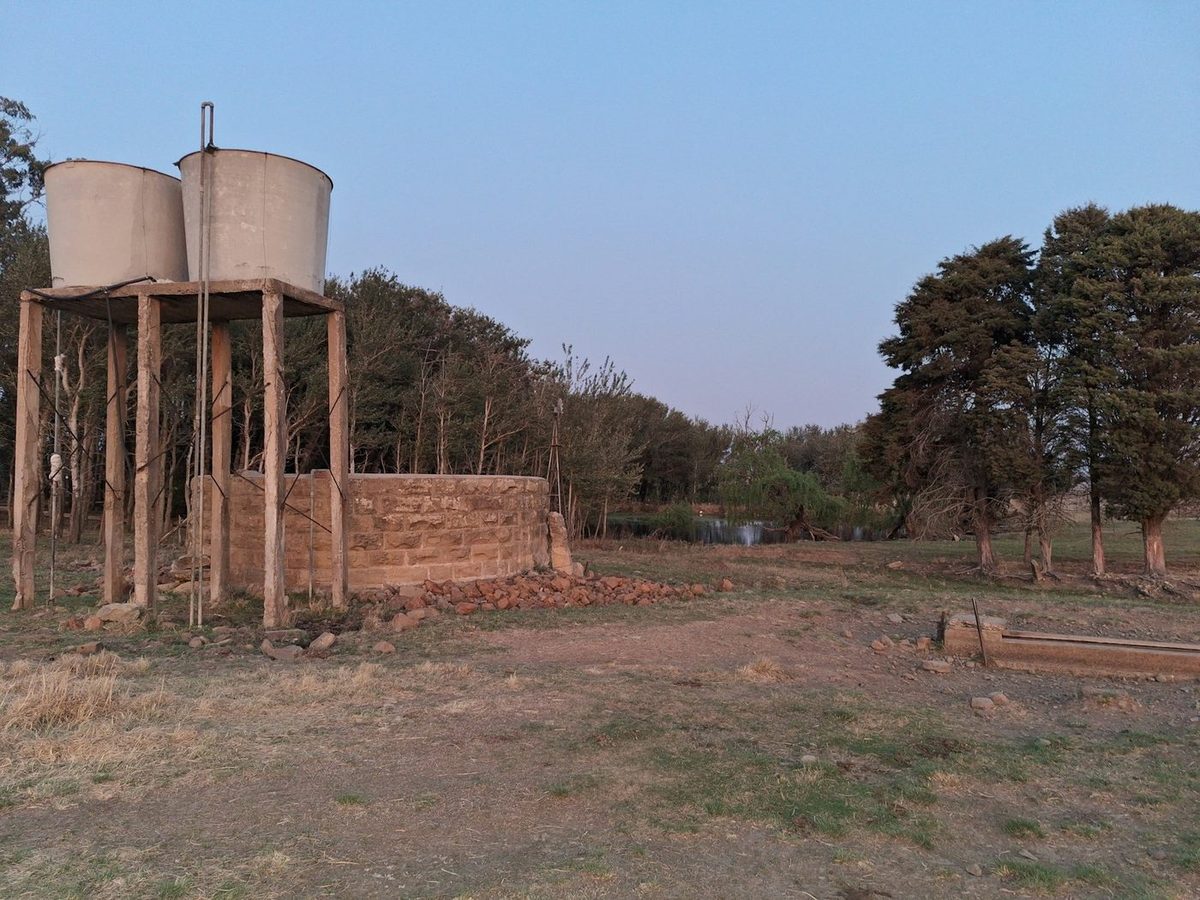
- Water storage and distribution across the site
- Compacted access roads and basic drainage
- Perimeter fencing and a secure gated entrance
Why now
Every later phase depends on this one, and the proposal's own risk register puts poor borehole yield at the top of the list. That is why the survey comes before the drilling, and the drilling before everything else.
Be the reason water flows.
Budget and goal: this phase is budgeted at up to KSh 70,000,000. The goal of KSh 77,800,000 adds the scalA share (10%) - KSh 7,800,000 - for verifying members, reviewing campaigns and running the platform.
Cost basis: the September 2026 project proposal, which prices the whole development (land excluded) at KSh 280-450 million and this component at KSh 35-70 million. The budget figure is the upper bound. These are 2025-26 Kajiado market estimates; a Bill of Quantities from a registered quantity surveyor will refine them, and a hydrogeological survey and soil tests come first.
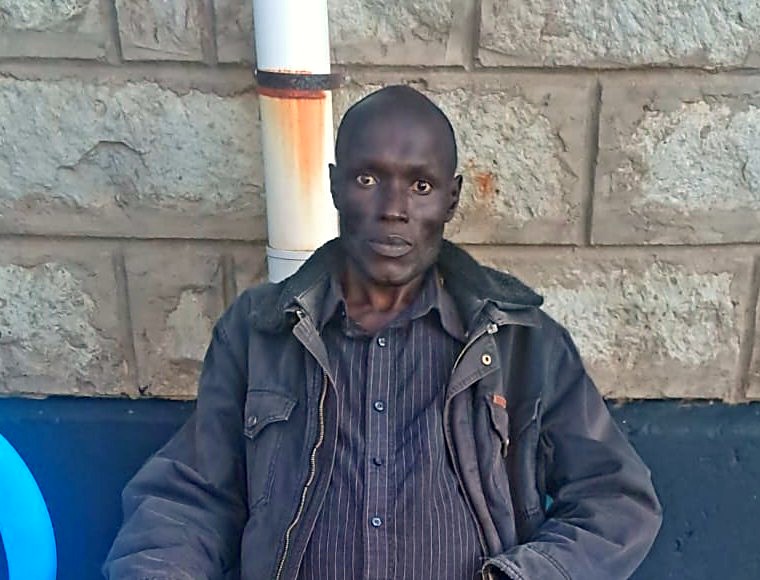
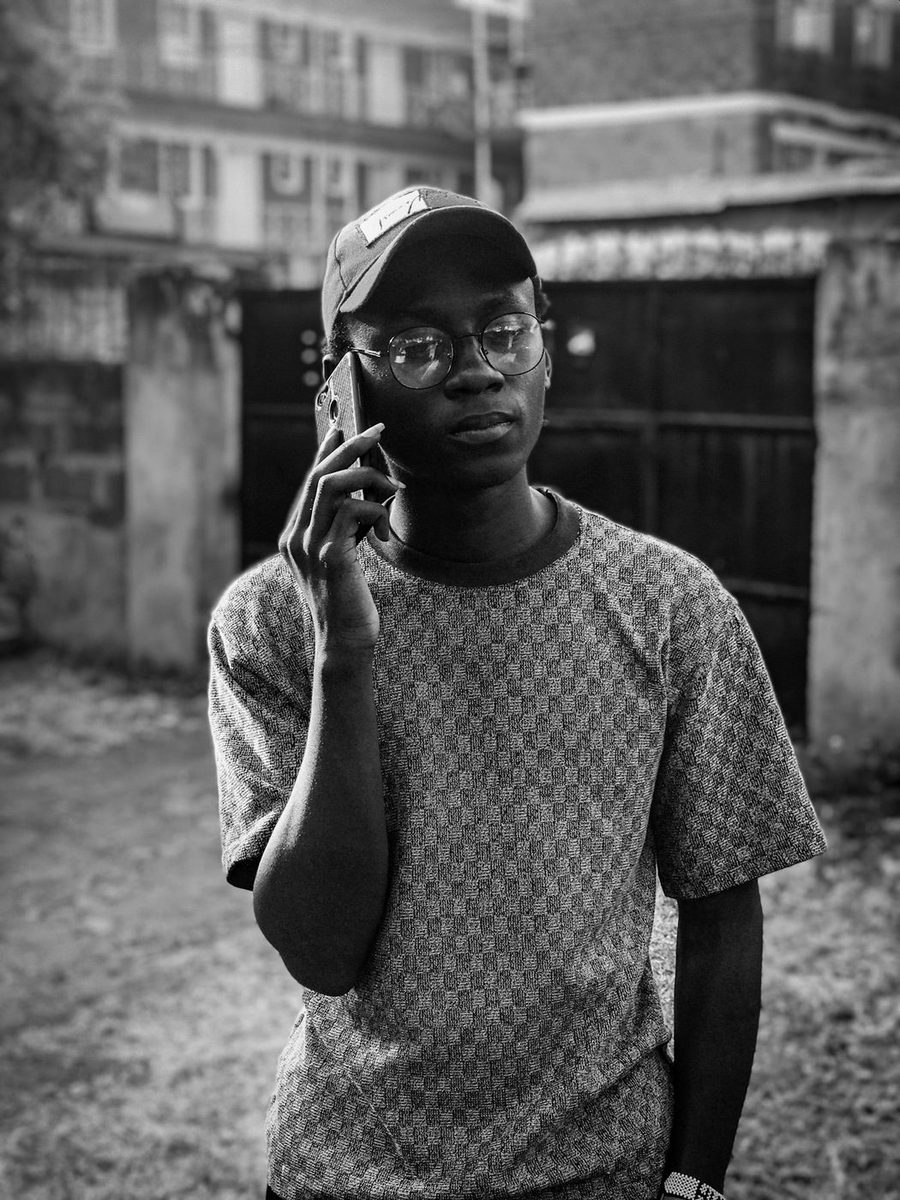
Image note: the main photograph is a licensed stock image showing water storage tanks of the kind this phase would install. It is not scalA's site and does not show work already completed. Photo: Nicolaas Swart / Unsplash. The other image shows scalA members at an SOS Children's Villages Kenya event.